Tiny Butterfly Embroidery Design Review
First Impressions of Tiny Butterfly
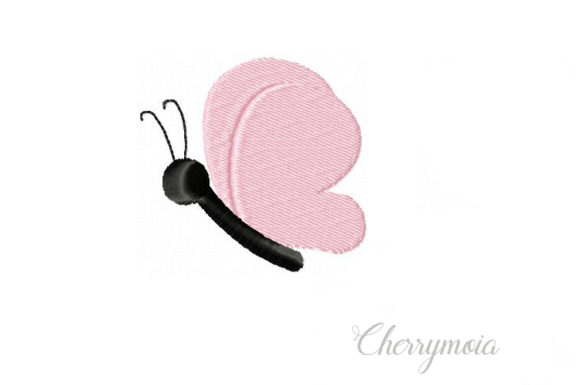
When I first opened the Tiny Butterfly machine embroidery design, I was immediately drawn to its delicate charm. The design feels like a whisper of springtime—light, airy, and full of subtle detail. It’s not overly complex, but it carries enough visual interest to make it stand out on fabric without overwhelming it.
The butterfly is small in scale, which makes it ideal for accents rather than bold statements. Its wings are outlined with a gentle satin stitch, giving them a soft, almost translucent look. The body is rendered in a simple fill stitch, keeping the focus on the wings and adding just the right amount of contrast.
This level of detail makes me think of how well it would work on items like baby onesies, embroidered patches, or even as a decorative accent on a tote bag. It has that whimsical feel that speaks to both children and adults, making it versatile for a range of handmade products.
Real-Life Scenario: Tiny Butterfly on a Custom Tote Bag
Let’s imagine a real-life use case: creating a custom embroidered tote bag for a boutique shop. The Tiny Butterfly could be placed near the bottom corner, perhaps paired with a small text label. It adds a touch of nature and elegance without competing with the overall design.
I can see this working beautifully on a light-colored cotton fabric, especially if paired with a dark thread color for contrast. However, I’d test it on a scrap piece of fabric first to ensure the stitch density doesn’t cause puckering, especially since the design is small and detailed.
On a larger item like a tote bag, the Tiny Butterfly becomes more of an accent than a focal point, which is exactly what you want when you’re designing for multiple elements to coexist harmoniously.
For a more personal project, like a baby gift, this design could be stitched onto a onesie or blanket. The softness of the stitching complements the innocence of the item, making it a thoughtful addition to any handmade product.
Where to Use Tiny Butterfly with Caution
While the Tiny Butterfly is charming, there are certain situations where it might not shine as brightly. For instance, using it on a stretchy fabric like a sweatshirt or hoodie could lead to distortion unless a proper stabilizer is used. Similarly, if placed on a dark fabric, the thread colors need to be carefully chosen to ensure visibility.
Small hoop sizes may also be an issue. If the design is too intricate for the hoop, the stitching might become uneven. I recommend checking the recommended hoop size before committing to a project, especially if you're planning to use it commercially or for a client.
Also, if you plan to place it on curved surfaces like caps or hats, the design might not sit as smoothly due to the curvature of the fabric. In such cases, testing is key to avoid disappointing results.
Design Impact and Practical Value
The Tiny Butterfly brings a sense of refinement to any project it's applied to. Whether it’s a personalized gift, a commercial product, or a small shop item, it adds a layer of care and attention that elevates the finished product. This kind of detail helps build customer trust and enhances the handmade presentation.
As an embroidery designer, I find that designs like this are valuable assets for Etsy sellers and craft business owners. They allow for quick customization and can be paired with other elements to create unique offerings. The versatility of Tiny Butterfly means it can fit into various niches—from holiday embroidery to nursery decor.
However, it’s important to consider the context. While it’s great for subtle accents, it might not be the best choice for large-scale commercial embroidery projects where boldness is needed. It works best as part of a cohesive design strategy rather than a standalone feature.
Embroidery Designer Notes
If you're considering using Tiny Butterfly in your next project, here are some practical tips:
- Test on scrap fabric: Always test the design on a sample piece before applying it to your final product.
- Check thread color contrast: Ensure the thread color stands out against the fabric you're using.
- Review stitch density: Too many stitches in a small area can cause fabric puckering or breakage.
- Confirm hoop size: Make sure your hoop is large enough to accommodate the design comfortably.
- Inspect small details: Look closely at the design to ensure all elements stitch cleanly.
- Test in black and white mockups: This helps visualize how the design will appear on different fabric colors.
- Use proper stabilizer: Especially on stretchy or thin fabrics to prevent distortion.
- Check licensing: Confirm whether the design can be used for both personal and commercial purposes before selling finished items.
By following these steps, you can ensure that Tiny Butterfly performs well in your embroidery project, whether it’s for a personal creation or a small shop product.
Overall, Tiny Butterfly is a lovely, subtle design that can add a touch of elegance to a wide range of handmade products. Just be mindful of the context in which you use it, and always test before committing to a final piece. With the right approach, it can become a valuable asset in your design assets collection.